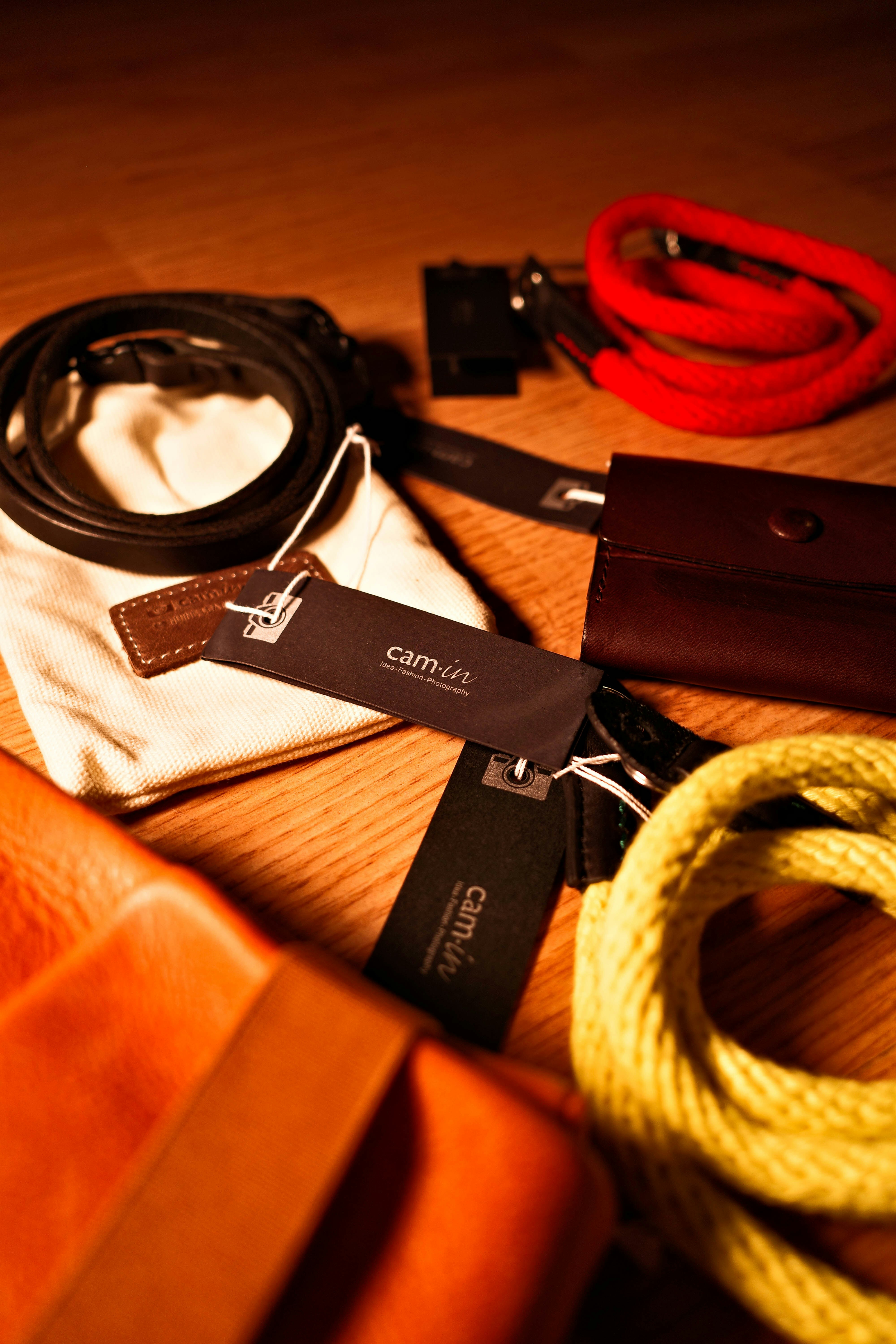
Top Fashion Picks from Amazon: Curated by the Experts
In the fast-paced world of fashion, staying in style can feel overwhelming. That’s why we’ve done the hard work for you, showcasing top picks from Amazon recommended by trendsetters, influencers, and fashion insiders. From statement handbags to must-have accessories, we bring you the pieces that are not only high-quality but also trending right now.
Our selections are carefully curated to reflect the tastes of those who live and breathe fashion. Each item is chosen based on style, versatility, and popularity, ensuring that you get the best of what’s in vogue. Whether you’re updating your wardrobe, searching for the perfect gift, or just looking to stay ahead of trends, our top picks make shopping simple and stylish.
By shopping these Amazon favorites, you can access fashion-forward items without breaking the bank, and you can trust that each piece has been vetted by the experts. Stay on-trend and elevate your look with our curated list — because being fashionable should be effortless and fun.
The Origins of Urban Fashion
Urban fashion, a dynamic and evolving segment of the clothing industry, has its roots deeply embedded in the cultural and social landscapes of urban communities. Emerging predominantly from the inner cities, this fashion genre reflects the creativity, resilience, and aspirations of the youth who inhabit these spaces. Its origins can be traced back to the mid-20th century, particularly within African American and Latino communities, where the influences of hip-hop culture began to take shape.
The rise of hip-hop music in the late 1970s marked a significant turning point for urban fashion. Artists and performers became icons, showcasing distinctive styles that included oversized clothing, bold accessories, and vibrant colors. This sartorial expression was not merely about aesthetics; it was a means of conveying identity and cultural narratives. Graffiti art further contributed to this cultural landscape, with artists using the urban environment as their canvas, bridging the gap between visual art and fashion.
Streetwear brands emerged in the 1980s and 1990s, drawing inspiration from these cultural movements. They channeled the raw energy of the streets into their designs, often incorporating elements of skate culture, punk rock, and sportswear. The appeal of urban clothing was amplified by socio-economic factors, such as the desire for self-expression among youth facing societal challenges. As these styles gained traction, they began to carve out a unique cultural identity that resonated with the aspirations of young people in urban settings.
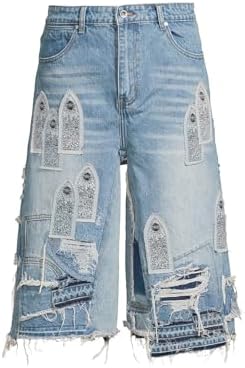



This interplay of music, art, and socio-economic context illustrates how urban fashion serves as a powerful vehicle for personal and collective expression. By overcoming barriers and embracing diversity, urban clothing styles continue to evolve, reflecting the dynamic nature of contemporary culture while remaining rooted in their historical origins.
Key Elements of Urban Clothing
Urban clothing has evolved significantly, reflecting a dynamic intersection of culture, lifestyle, and self-expression. At the core of urban wear are several fundamental components that shape its identity. One of the most notable characteristics is the use of oversized fits, which offers comfort and freedom of movement while also conveying a relaxed, laid-back aesthetic. This style choice resonates with the urban youth who often seek a break from the constraints of traditional fashion norms.
Additionally, bold graphics and striking patterns play a crucial role in defining urban clothing. These expressive designs often make use of vibrant colors and intricate prints, allowing individuals to showcase their personality and artistic inclinations. Logos, too, serve as a distinctive element in urban wear, providing a sense of belonging to specific subcultures and fashion movements. The integration of logos often signifies brand loyalty while also enabling wearers to communicate their affiliations without uttering a word.
Sustainability and ethical production practices increasingly shape the landscape of urban fashion. As consumers become more environmentally conscious, there is a growing demand for clothing that reflects these values. Brands are now focusing on using eco-friendly materials and promoting fair labor practices, ensuring that their urban clothing not only looks good but also upholds ethical standards. This shift towards sustainability fosters a greater connection between the wearer and their clothing, emphasizing the importance of making responsible choices in fashion.
Ultimately, these key elements of urban clothing contribute to a vibrant and diverse fashion scene. By embracing oversized fits, eye-catching designs, and sustainability, urban wear empowers individuals to express their unique identities while also engaging with larger societal issues. It is this multifaceted nature of urban clothing that continues to attract attention and inspire innovation within the industry.
Accessories that Complete the Urban Look
In the realm of urban fashion, accessories play a pivotal role in defining personal style and expressing individuality. Items such as hats, sneakers, backpacks, and jewelry not only enhance the overall urban aesthetic but also serve practical purposes that cater to the dynamic lifestyles of city dwellers. Each accessory contributes to the functionality and visual appeal of urban clothing, making them indispensable components of contemporary fashion.
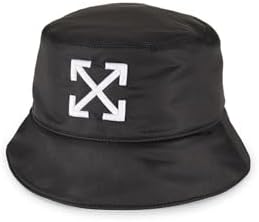
Hats, for instance, have evolved from mere sun protection to statement pieces that reflect one’s personality and affiliation with various subcultures. Baseball caps and beanies are particularly popular, often adorned with iconic logos or designs that showcase the wearer’s style preference. These accessories embody a casual ethos that resonates throughout urban environments, bridging the gap between practicality and fashion.
Sneakers, another fundamental aspect of urban accessories, have transcended their athletic origins to become a symbol of cultural identity. Collaborations between footwear brands and renowned designers or artists often result in limited edition releases that not only capture the essence of urban culture but also reveal the heightened demand for exclusive items. The fusion of innovative designs with comfort and versatility has made sneakers a staple in every urban wardrobe.
Additionally, backpacks have redefined function and fashion, providing not only storage solutions but also a canvas for creative expression. Various urban brands have embraced the need for stylish yet practical backpacks, often incorporating bold colors and patterns. This reflects a broader trend of utility marrying aesthetics, which is paramount in urban environments where mobility is essential.
Jewelry, too, has its place in the urban fashion sphere. From statement necklaces to minimalistic rings, accessories can convey cultural significance and individual style narratives. Moreover, collaborations between urban fashion brands and accessory designers have birthed iconic pieces that blend craftsmanship with cultural themes, thereby enriching the urban fashion landscape.





The Future of Urban Fashion
As we look towards the future of urban clothing and accessories, several trends shape the direction of this dynamic sector. One notable trend is the rise of digital fashion, which seamlessly integrates technology with clothing design and presentation. Virtual garments, which are worn in digital environments or social media platforms, are becoming increasingly popular, allowing consumers to express their style without the traditional constraints of physical fabric. This development not only expands the creative possibilities for designers but also reflects a growing interest in sustainability, as digital solutions can significantly reduce waste associated with fast fashion.
Social media continues to exert a profound influence on urban fashion culture. Platforms like Instagram, TikTok, and Pinterest serve as vital hubs for trend dissemination, giving rise to micro-trends that captivate younger audiences almost instantaneously. Influencers and content creators play an instrumental role in shaping consumer preferences, often promoting unique urban styles that resonate with their followers. This interactive relationship between fashion and social media enhances the visibility of urban wear, making it accessible to a global audience and allowing for extensive collaboration among designers influenced by diverse cultures.
Additionally, there is a marked increase in the demand for gender-fluid and inclusive clothing options in urban fashion. This shift towards versatility signifies a growing recognition of diverse identities and body types. Brands are increasingly designing collections that cater to a broader consumer base, embracing individuality and promoting the idea that fashion should be free from traditional gender norms. Furthermore, cultural representation remains a vital aspect of urban wear, with designers drawing inspiration from their heritage to create innovative pieces that reflect their stories and experiences. These developments hint at an enriching future for urban fashion, where creativity, inclusivity, and technological advancements converge, shaping a vibrant global fashion landscape.